CATALOG ~ WORKSHOPS & PROGRAMS
Getting Started Weave Structures Techniques Design History
GETTING STARTED
Three Steps for Beginning and Novice Weavers
WEAVING I: Three Warps, Three Towels
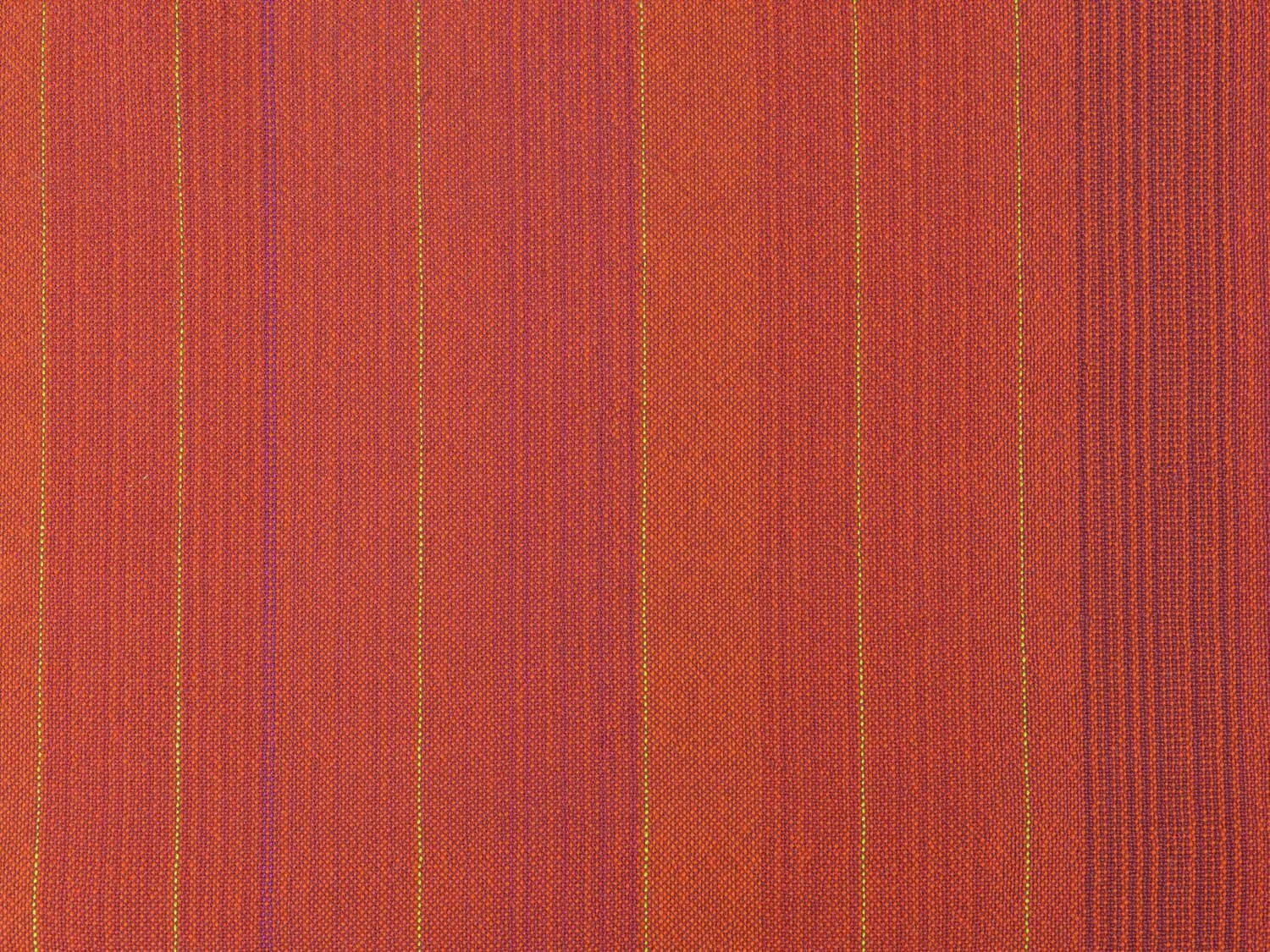
The only way to become comfortable with warping a floor loom is frequent repetition. This in-depth intro to weaving guides students through planning, warping and weaving three towels on three separate short warps. Explore plain weave, twill and twill/color variations while learning about choosing fibers and colors, how looms and other weaving equipment work, efficient warping tips, proper weaving technique and wet-finishing handwoven textiles.
WORKSHOP - 3 full days
WEAVE A TWILL GAMP
Students who have completed Weaving I, or have basic weaving experience, can explore four different twill patterns by weaving a gamp or sampler. We will review good warping and weaving techniques. Students will learn to thread different patterns and vary treadling to weave different but related fabrics.
WORKSHOP - 3 full days
ZOOM FRIENDLY
MORE TWILLS & A TASTE OF OVERSHOT
A follow up to either WEAVING I or WEAVE A TWILL GAMP, this class introduces students to two more twill patterns and an overshot threading to make a cotton table runner. Lessons include a first look at overshot theory and design, and examples of twill variations.
WORKSHOP - 3 full days
ZOOM FRIENDLY

WEAVE STRUCTURES
How Different Woven Interlacements Work

BUBBLE CLOTH: Differential Shrinkage in Block Designs
This method of achieving collapse with differential shrinkage uses shrinking and non-shrinking fibers in deflected double weave and other block weaves to create “bubbles” in a pattern. Participants will warp looms according to a variety of block designs using yarns and drafts supplied by the instructor. They will weave samples in a round-robin format using a variety of materials and patterns.
WORKSHOP - 2 or 3 full days
BUBBLE CLOTH BASICS - LECTURE / SEMINAR ZOOM FRIENDLY
HANDWOVEN LACE TECHNIQUES
This workshop introduces weavers to three different threadings for weaving lacy, open fabrics on a plain weave base: Huck, Swedish, and Atwater-Bronson Lace. Each variation has its own drafting methods and characteristics, but all offer many design options that participants can sample in this round robin.
WORKSHOP - 2 or 3 full days
LECTURE / SEMINAR ZOOM FRIENDLY
INTRODUCTION TO DESIGNING & WEAVING WARP REP
Warp Rep is a warp-faced, or warp-dominant, block weave in which a thick weft alternating with a thin weft produces color patterns and horizontal (weft-wise) ribs. In this introduction, students will learn Karen’s building-block technique for rep design, warp looms and weave a variety of treadling variations into a series of mug rugs.
WORKSHOP - 2 full days
LECTURE / SEMINAR
ZOOM FRIENDLY
IT’S ALL ABOUT THE BASE: Double Two-Tie Tie-Ups
The double two-tie threading system is an incredibly powerful weave design tool capable of weaving more than 13 different structural patterns, many at the same time. The tie-up is what makes that happen, and the key to the tie-up is the base, which controls the order of tie-down lifts. On its own, a double two-tie tie-up is a jumble of lifts with no apparent rhyme or reason. This presentation examines how different bases work with pattern lifts to control structure, demonstrating step-by-step how tie-ups are built. Exercises allow hands-on practice in developing tie-ups for double two-tie twills, blocks, double weave, and more.
LECTURE / SEMINAR
ZOOM FRIENDLY
MY TWILLS ARE IN A TWIST: Braided, Plaited, Turned and Corkscrew
Take a double two-tie threading with pattern shafts in twill order. Weave it as any number of braided or plaited twills, fancy twills and even Turned Beiderwand variations. Now put a twist on turned twill blocks with plaited twill designs, and then venture into corkscrew/manifold twills. All on one threading. A Beiderwand workshop sample woven 14 years ago continues to inspire personal growth, puzzle solving and eureka moments.
LECTURE / SEMINAR
ZOOM FRIENDLY
PLAITED TWILL: The Double Two-Tie Connection
Plaited twills are patterns in which groups of parallel diagonal twill lines intersect with those going in the opposite direction so they look like interwoven ribbons. On a straight twill threading, they require more than 8 or 12 shafts for more complex designs. However, when plaited twills are woven on a double two-tie twill threading, the design possibilities on fewer shafts expand dramatically. This workshop demonstrates how to weave plaited twills on a double two-tie twill threading, shares design techniques for plaited twill patterns, and illustrates how to create vastly different designs by weaving these threadings as turned supplementary weft weaves.
WORKSHOP - 2.5 or 3 full days
LECTURE / SEMINAR
ZOOM FRIENDLY
OVERSHOT SAMPLER: Stars, Roses, Tables & Beyond
Overshot, commonly used for colonial American coverlets, is characterized by a plain weave ground structure over which softer, slightly heavier pattern wefts float in regular intervals. The floats form blocks of pattern that combine to produce a wide variety of motifs and designs. After getting a foundation in overshot theory and design, weavers will explore the versatility of an overshot threading on looms they have threaded in advance. Each will weave an overshot sampler of the many different patterns that can be produced with treading and weft variations.
WORKSHOP - 2 or 3 full days
SEMINAR
ZOOM FRIENDLY
TAPESTRY WEAVING BASICS
Transform simple drawn designs into woven tapestries. Using your own small frame or tapestry loom, you will learn to warp it and weave basic shapes using traditional tapestry techniques. Then design a geometric or organic shape on paper, create a cartoon to guide your weaving and weave an original small tapestry.
WORKSHOP - 1 or 2 full days
THIS DOESN’T LOOK LIKE PLAIN WEAVE!
The over-one, under-one plain weave interlacement is the foundation of numerous weaving patterns and techniques, including Beiderwand, deflected double weave, double weave, color-and-weave effects, thick & thin, warp rep, tapestry, etc. This means even complex designs can be easier to weave than it seems. Explore several of these weave structures in this round-robin workshop, breaking them down to their plain weave roots. Because many are block weaves, the class will also introduce/review block-design theory.
WORKSHOP - 2 or 3 full days
SEMINAR ZOOM FRIENDLY
TURNED BEIDERWAND: One Threading, Multiple Structures
Turning a Beiderwand draft creates clean pattern blocks, better drape and faster, one-shuttle weaving than its traditional supplementary weft method. The resulting threading also adapts easily to weave other structures. Students will warp with a supplementary warp and weave a wide variety of samples, learning how to turn a draft and make do without a second warp beam.
WORKSHOP - 2 or 3 full days
SEMINAR
ZOOM FRIENDLY
TURNED BEIDERWAND TO DOUBLE TWO-TIE
When a Beiderwand draft is turned so supplementary wefts become supplementary warps and the pattern can be woven with one shuttle, it creates a threading system that can weave variations of several turned supplementary weft structures. That threading system is also called double two-tie, which expands the design power of a single warp even further. Learn how these structures relate and design your own structural variations from one shared threading.
LECTURE / SEMINAR
ZOOM FRIENDLY
TECHNIQUES
Pattern Enhancements for Multiple Structures
10 WAYS TO MAXIMIZE A THREADING
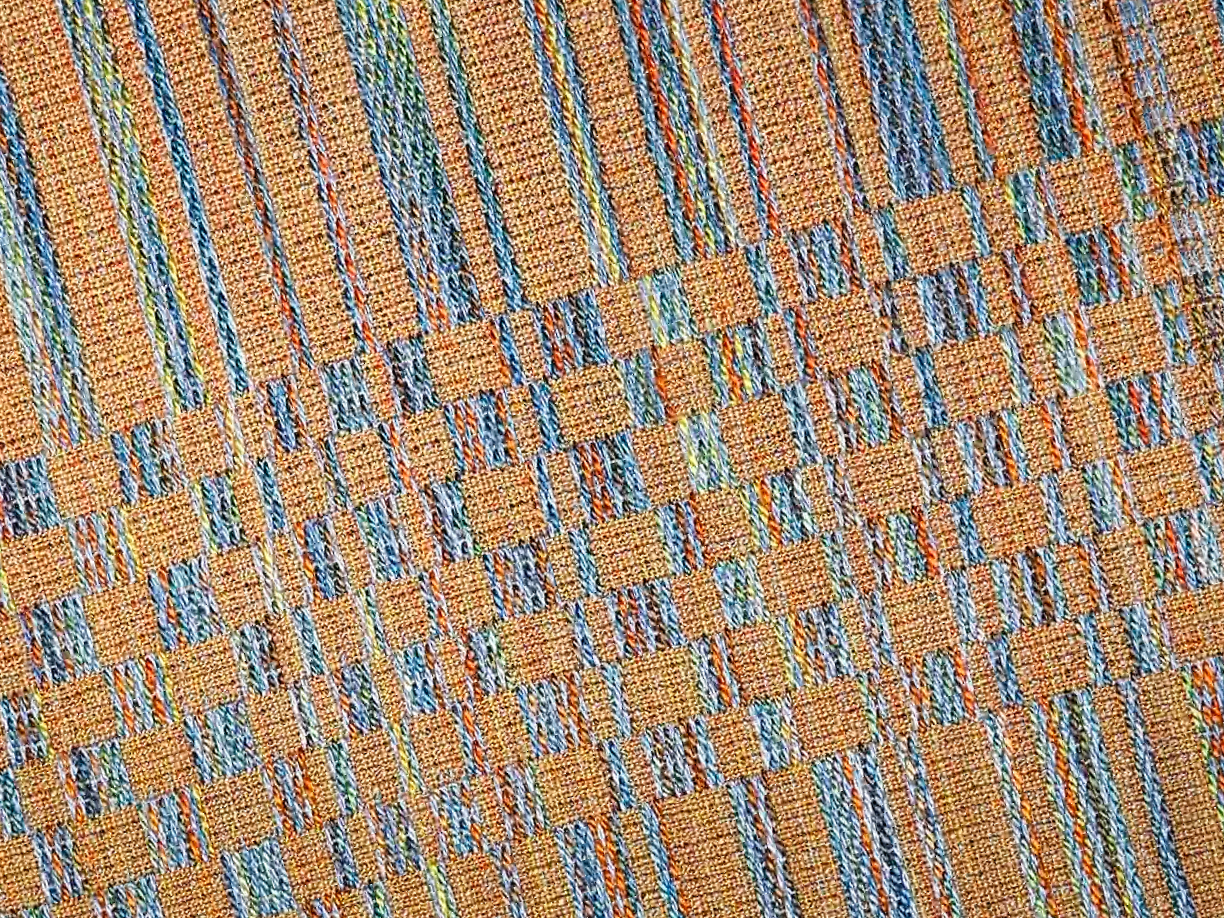
Warping a loom and weaving it as originally intended is only the start of the design process. Creating different textiles from one versatile threading maximizes the production efficiency of a long warp and wards off the temptation to grab the scissors when you just can't look at that design any longer, let alone weave it. This lecture explains how to change your design in the middle of a warp, without re-threading. Weaving software is used to demonstrate the step-by-step transformation of one draft into 10 different designs.
LECTURE / SEMINAR
ZOOM FRIENDLY
DRAFTING ORIGINAL COLOR-AND-WEAVE EFFECTS MOTIFS
Sample gamps with different weave structures and repeating color orders for both warp and weft are simple ways to design color-and-weave effects like houndstooth. It is also possible to start with a motif and try to develop a draft to weave it. Karen will demonstrate the technique with a thread-by-thread analysis that also explains how color-and-weave effects work.
LECTURE / SEMINAR
ZOOM FRIENDLY
GO BIG WITH COLOR-AND-WEAVE EFFECTS
Weaving giant color-and-weave effects on handlooms is achievable with a thick-and-thin technique in a structure similar to shadow weave. Color orders and weave structures are applied to blocks of ends vs. individual ends. Participants will learn how to expand popular motifs using graph paper or weaving software.
LECTURE / SEMINAR
ZOOM FRIENDLY
HOW & WHY TO TURN A DRAFT
Turning a draft so treadling becomes threading and vice versa can mean faster, one-shuttle weaving and enhance some woven textiles’ design and performance. It also can mean threading twice as many ends and tensioning multiple warps independently. This class will let participants practice turning a variety of drafts on graph paper or weaving software, while evaluating designs, structures and situations where the technique does and does not make sense.
LECTURE / SEMINAR
ZOOM FRIENDLY
MOTIF MAGIC: Add Color-and-Weave Effects to Your Design Toolbox
Thread a four-shaft loom in a straight draw, alternating four dark and four light warps, then weave it in a straight 2/2 twill with the same weft color order, and, voila… houndstooth! It’s all about whether a dark or light warp is up when crossed by a dark or light weft. Karen unravels the mystery and magic of how to use color-and-weave effects to design and weave a wide variety of simple and complex shapes and motifs. Participants receive a three-threading gamp sampler draft and weave at least three different gamps, experimenting with different treadling and weft-color orders to discover new motifs and designs.
WORKSHOP - 2-3 full days
LECTURE / SEMINAR
ZOOM FRIENDLY
STITCHING, TWISTING, WRAPPING: On-Loom Embellishments
On-loom manipulation of warp and weft using tapestry needles, crochet hooks, pick-up sticks, small shuttles and your fingers can produce a wide variety of functional and decorative effects for handwovens. Learn and practice hemstitching variations, inlay, leno and other warp wrapping and binding techniques to create a sampler sure to inspire future weaving projects. Suitable for rigid heddle or shaft loom.
WORKSHOP - 1 full day
WARPING TWO WARP BEAMS
Two warp beams can be invaluable when weave structures or techniques call for two separately tensioned warps. Supplementary warp, turned supplementary-weft structures, differential shrinkage, or even warps that combine yarns of different fibers or elasticity often cause significant take-up differences that over a long warp will result in uneven tension if both warps are on the same beam. This class will demonstrate, using both projected images and on-loom demo, one method for efficiently warping a double back beam. Alternatives for tensioning two separate warps on looms without two warp beams will also be presented.
SEMINAR
ZOOM FRIENDLY
WEAVE A TWILL GAMP WITH COLOR-AND-WEAVE EFFECTS
As a follow up or alternative to the basic color-and-weave effects class, this one starts with a gamp of several different twill patterns on four or eight shafts, then applies the same color order across the warp and weft. Weavers may experiment with other color orders or twills at their own looms, or in a modified round-robin format for in-person presentation.
WORKSHOP - 2-3 full days
LECTURE / SEMINAR
ZOOM FRIENDLY
DESIGN
Planning for the Results You Want
COLOR, PATTERN, SHAPE: From Inspiration to Design
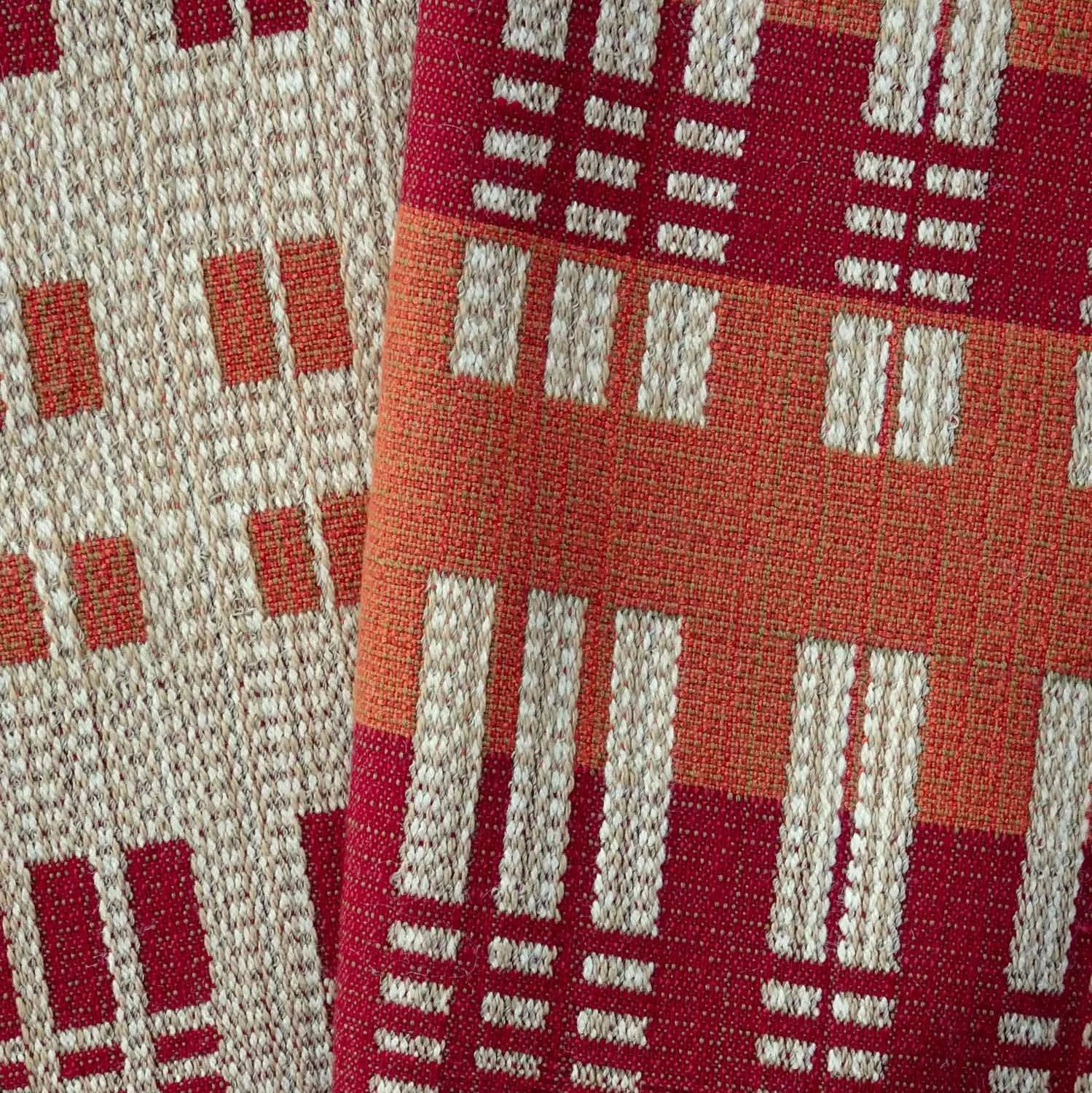
Ever get stuck trying to decide what to weave, knit, dye or felt next? This group exercise is designed to rev up your design engine and organize the many options available to you for creating cloth or the objects you make with it. Gather interesting pictures cut from magazines or old calendars, printed pictures from a vacation or your garden, whatever catches your eye. We’ll sort by various design parameters, organize your inspirations in a sketchbook, discuss ways to formulate them into a design and share ideas among the group. Leave with new design tools and maybe your next project.
LECTURE / SEMINAR
ZOOM FRIENDLY
MAKING THE NUMBERS WORK IN WEAVE DESIGN
Many times weaving drafts don’t exactly match the dimensions and setts you’ve selected for project designs. Other times positioning structural patterns in warp and/or weft stripes the way you see them in your head can be a struggle. Or maybe you’ve found a threading for the perfect motif, but it is horizontal and you need it vertical. This class will explain/review the planning, arithmetic and drafting techniques needed to solve several common weave-drafting puzzles.
SEMINAR
ZOOM FRIENDLY
SPICE UP YOUR RECIPE: Weaving-Project Planning & Design
For students who are comfortable warping, working from an existing draft and weaving basic weave structures, this class helps them design their own projects and draft their own patterns. We will work through decisions about appropriate fiber, yarn size, color and structure for the desired textile, practice planning yarn needs and pattern drafting and weave project samples.
WORKSHOP - 2 full days
LECTURE / SEMINAR
ZOOM FRIENDLY
INQUIRE about variations on this workshop:
WEAVING FROM THE STASH: Let Yarn Guide Your Design Decisions - LECTURE / SEMINAR
DESIGN TIPS & TOOLS TO SPICE UP YOUR WEAVING - LECTURE / SEMINAR
SPICE UP YOUR WEAVING: A Design Challenge(for conferences with shopping opportunities) - WORKSHOP - 1 full day
WEAVING WEARABLE CLOTH
Successful handwoven clothing requires matching the characteristics and properties of the cloth with the performance needs of a particular garment, whether it is loose-fitting, tailored, warm, or light and breezy. This workshop provides guidelines for designing, planning, weaving, and finishing cloth that will be appropriate for different garments, with hands-on weaving of potential clothing samples in a modified round-robin format. In the last session, we will examine the different samples and discuss how best to use them, or revise them for different clothing.
WORKSHOP - 2.5 to 3 full days
INQUIRE about variations on this workshop:
DESIGNING HANDWOVEN FABRIC YOU CAN WEAR - LECTURE / SEMINAR ZOOM FRIENDLY
HISTORY
Honoring Weavers Who Came Before
THE FASCINATING LIFE OF MARY MEIGS ATWATER
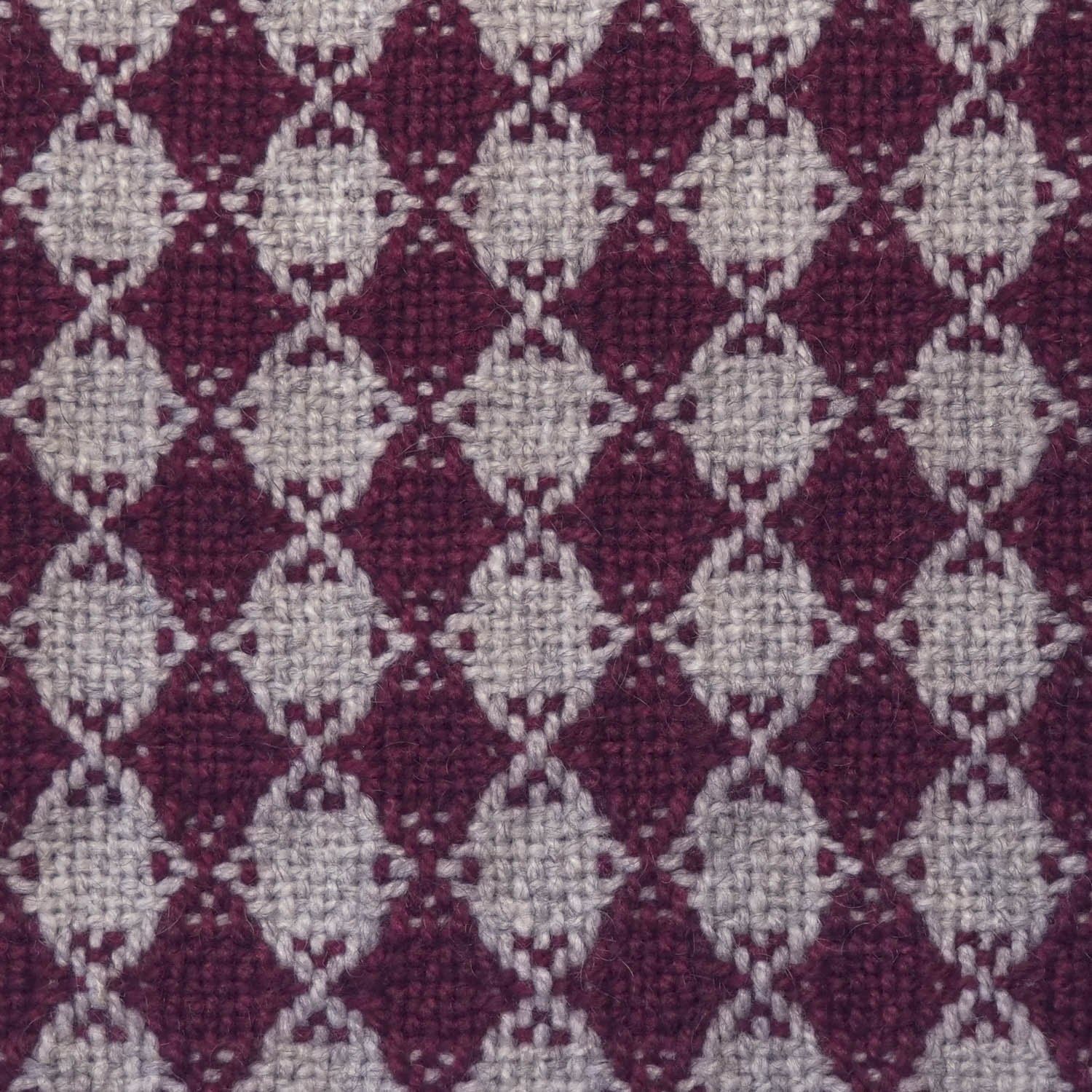
Regarded as the dean of American handweaving, Mary Meigs Atwater, 1878-1956, was not driven by a passion for making cloth. Inspired by handweaving industries in southern Appalachia, she saw weaving as a productive outlet for women in her Montana mining community, as occupational therapy for soldiers injured in World War I and as financial support for her family. She also was an artist, designer, world traveler, novelist, patriot, beaver rancher, political activist, wife, mother and avid fisherman. This lecture/seminar shares anecdotes, quotes and revelations that speak to Atwater’s courage, adventurous spirit, intellect and contributions to American handweaving.
LECTURE / SEMINAR
ZOOM FRIENDLY